
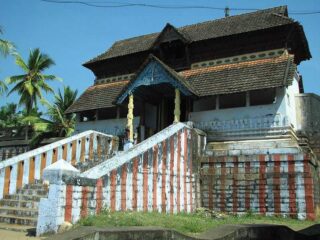
Adikesava Perumal Temple
Adikesava Perumal Temple is a magnificent and ancient Vishnu temple located in Thiruvattar, near Kanyakumari in Tamil Nadu. Dedicated to Lord Adikesava Perumal, an incarnation of Lord Vishnu, this temple holds immense religious significance and is considered one of the 108 Divya Desams, the sacred shrines of Vishnu praised in Tamil Vaishnava literature. The temple’s architecture is a masterpiece of traditional Dravidian and Kerala styles, featuring beautifully carved wooden pillars, intricate stone sculptures, and detailed murals depicting mythological stories. The main deity, Lord Adikesava Perumal, is depicted in a grand reclining posture on the serpent Anantha (Adi Sesha) — symbolizing eternal peace and cosmic balance. Surrounded by rivers and lush greenery, the temple exudes divine tranquility and natural beauty. It is believed that the deity here preceded the famous Padmanabhaswamy Temple in Thiruvananthapuram, making it an important pilgrimage destination for devotees of Lord Vishnu.
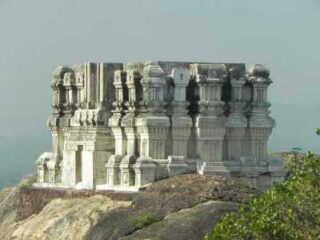
Chitharal Jain Monuments
Chitharal Jain Monuments, also known as the Chitharal Hill Temple or Chitharal Malai Kovil, are ancient rock-cut monuments located near Marthandam in Kanyakumari district, Tamil Nadu. These monuments date back to the 9th century AD and were originally dedicated to Jain Tirthankaras, reflecting the strong influence of Jainism in the region during that era. Perched atop a scenic hill, the site features beautifully carved rock-cut sculptures and bas-reliefs depicting Jain deities, including Parshvanatha and Mahavira, alongside inscriptions in ancient Tamil and Vatteluttu scripts. In later centuries, parts of the site were converted into a Hindu shrine dedicated to Goddess Bhagavathi, showcasing a unique blend of religious harmony and evolving history. From the hilltop, visitors can enjoy panoramic views of lush green fields, rocky landscapes, and distant hills — making Chitharal not just a spiritual site, but also a breathtaking viewpoint and heritage treasure of South India.
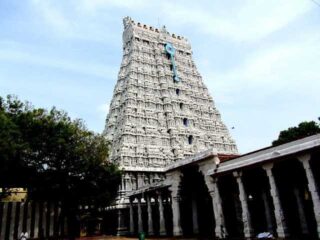
Lord Subramanya Temple
Lord Subramanya Temple, also known as Kumara Kovil, is a revered Hindu shrine dedicated to Lord Murugan (Subramanya), the son of Lord Shiva and Goddess Parvati. Located near Nagercoil in the Kanyakumari district, this temple is nestled amidst scenic hills, offering both spiritual serenity and natural beauty. The temple showcases splendid Dravidian architecture with intricate stone carvings, tall gopurams, and a sacred pond that enhances its tranquil ambiance. The main deity, Lord Subramanya, is enshrined in a majestic form with his divine spear, Vel, symbolizing victory and wisdom. It is believed that worshipping here removes obstacles and brings courage, success, and prosperity. The temple attracts thousands of devotees during the Thaipoosam and Skanda Shasti festivals, which are celebrated with great devotion and traditional rituals, making it a significant pilgrimage site in South Tamil Nadu.
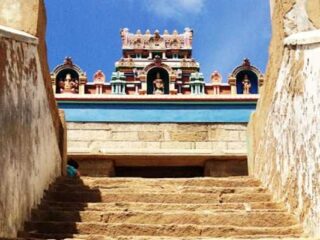
Kumari Amman Temple
Kumari Amman Temple, also known as the Kanyakumari Devi Temple, is one of the most sacred and iconic temples in South India. Located on the shores of Kanyakumari, where the Arabian Sea, the Bay of Bengal, and the Indian Ocean converge, the temple is dedicated to Goddess Kanyakumari, an incarnation of Parvati. According to legend, the goddess stands as an eternal virgin, performing penance to marry Lord Shiva. The temple’s deity, adorned with a brilliant diamond nose ring that is said to shine so brightly it’s visible from the sea, is a symbol of purity, devotion, and feminine strength. Built in classic Dravidian architectural style, the temple offers breathtaking views of the ocean and holds deep spiritual significance for pilgrims. It is one of the 108 Shakti Peethas, drawing devotees and tourists alike for its divine aura and cultural heritage.
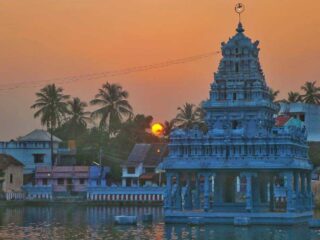
Thanumalayan Temple
Thanumalayan Temple, also known as Sthanumalayan Temple, is a revered Hindu shrine located in Suchindram, near Kanyakumari in Tamil Nadu. This ancient temple is unique because it is dedicated to the Trimurti — Shiva (Sthanu), Vishnu (Mal), and Brahma (Ayan) — all worshipped in a single sanctum, symbolizing the unity of the three supreme deities. The temple is renowned for its magnificent Dravidian architecture, intricately carved stone pillars, and the impressive 22-foot-tall musical pillars that produce distinct musical notes when tapped. The gopuram (tower), standing over 40 meters high and adorned with exquisite sculptures, is a striking example of South Indian craftsmanship.